
You’ll discover how dental crowns in Houston, TX can restore strength, function, and appearance to damaged teeth while fitting your lifestyle and budget. Dental crowns protect weakened teeth, replace missing structure, and often prevent the need for more invasive treatments.
A friendly neighborhood dental expert explains the crown process, materials, and modern advances so you can decide with confidence. Expect clear steps on what to expect during placement, how to care for a crown, insurance and cost considerations, and tips for choosing a trusted Houston dentist.
If you worry about comfort or longevity, this post addresses common concerns and shows how contemporary techniques prioritize patient comfort and natural-looking results. Take a moment to learn what options suit your needs and when to schedule a consultation.
Understanding Dental Crowns
Dental crowns restore tooth shape, strength, and appearance after damage or decay. They can protect teeth from further harm, improve chewing function, and match surrounding teeth for a natural look.
What Are Dental Crowns?
A dental crown is a tooth-shaped cap that covers a damaged or weakened tooth above the gum line. Dentists cement crowns over prepared teeth to restore size, shape, and function.
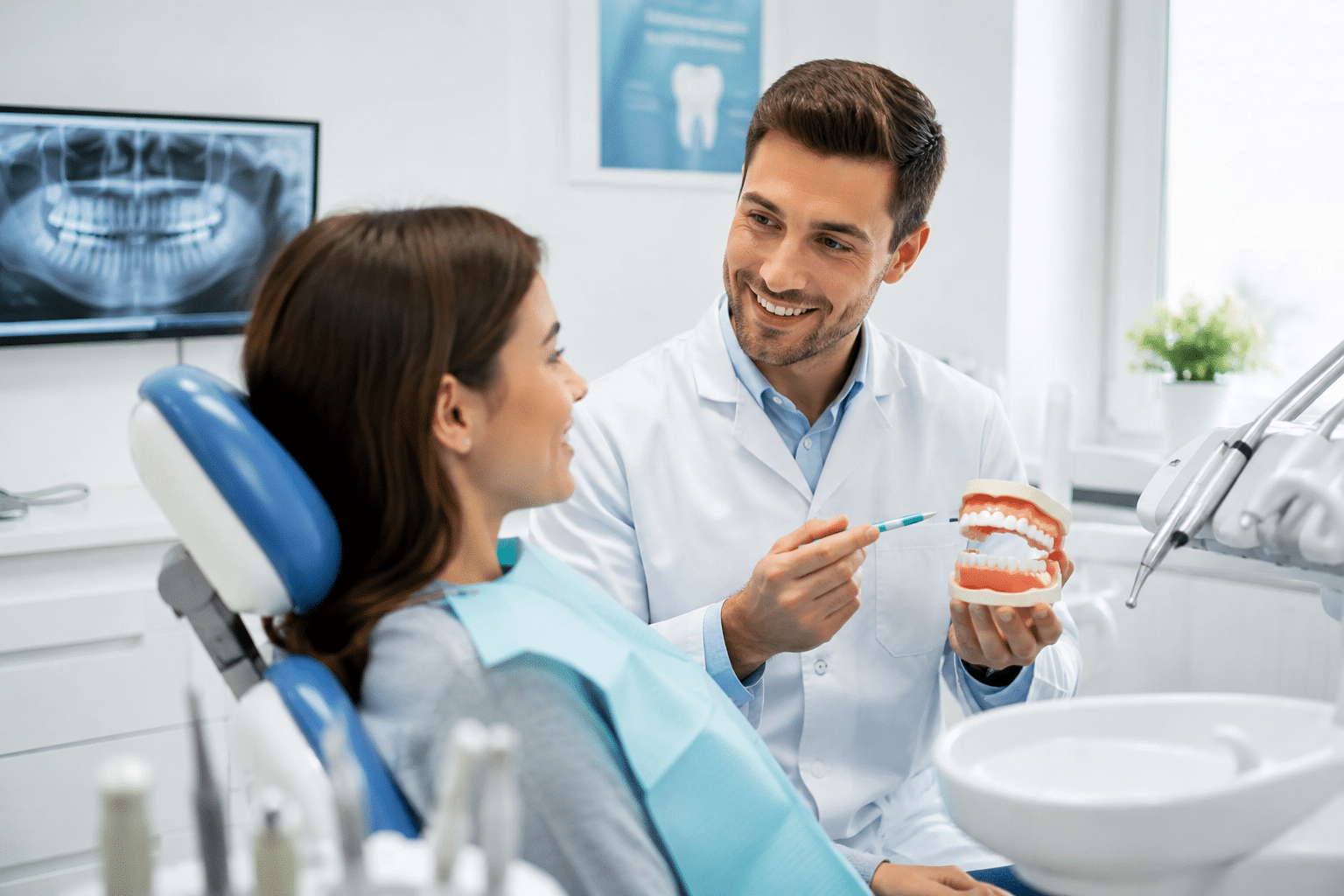
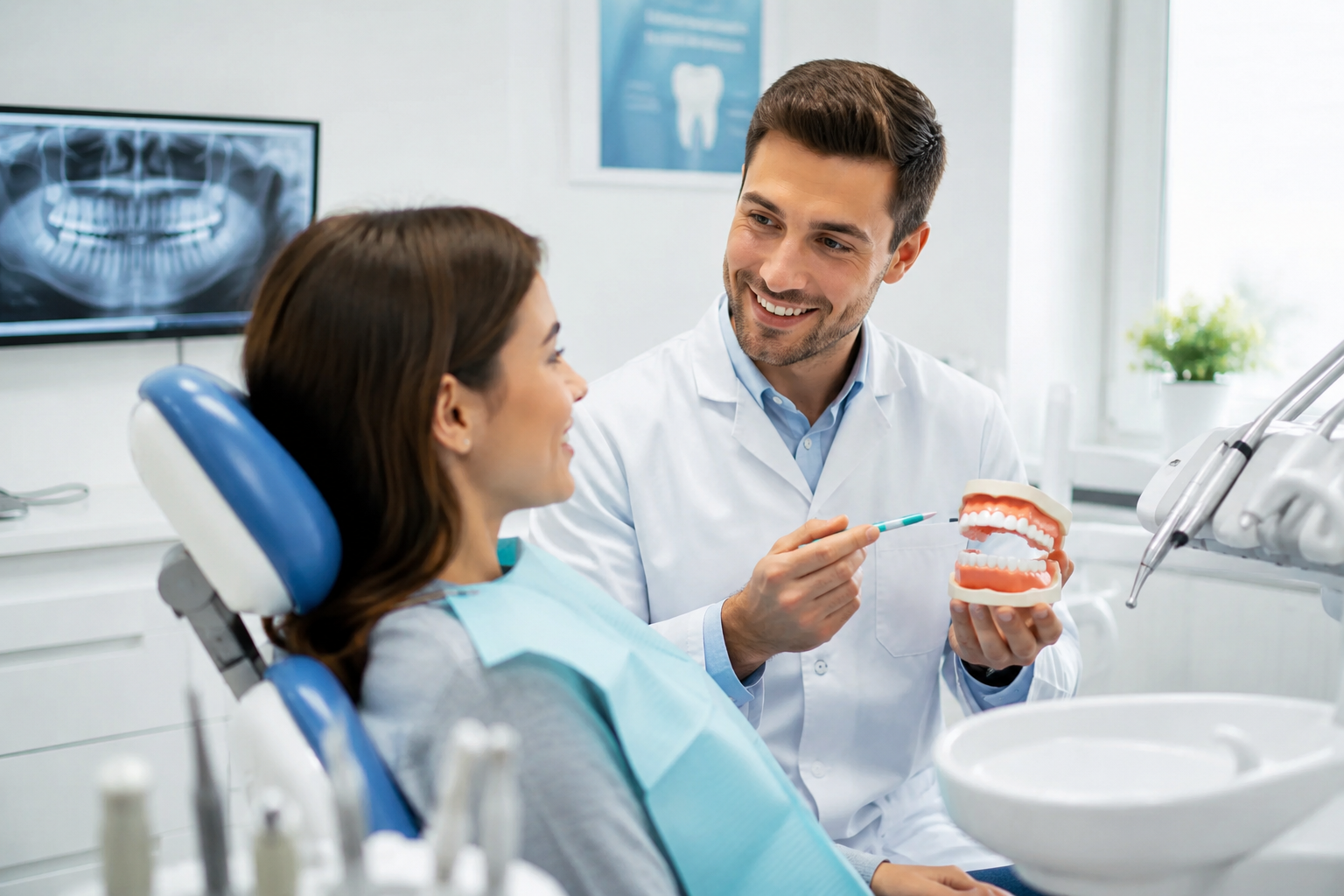
Crowns fit over the remaining tooth structure and distribute chewing forces, lowering fracture risk. They also seal the tooth against bacteria when placed after a root canal or large filling. The dentist shapes the tooth, takes impressions or digital scans, and fits a temporary crown if lab fabrication is required.
Crowns can be single-visit (same-day CAD/CAM) or made in a dental lab over 1–2 weeks. Final crowns are adjusted for bite, color-matched, and polished before cementation.
Common Reasons for Needing a Crown
Crowns treat teeth with extensive decay that cannot be restored with a filling alone. They strengthen teeth after root canal therapy when the remaining tooth structure is brittle.
Patients also receive crowns to repair cracked or fractured teeth that compromise biting stability. Large fillings where little natural tooth remains often need crowns to prevent further breakage. Crowns also restore worn teeth from grinding (bruxism) and rebuild teeth altered by congenital defects or previous dental work.
For cosmetic improvements, crowns cover misshapen or severely discolored teeth. They also anchor dental bridges and cap dental implants as the visible tooth replacement.
Types of Dental Crowns
Dentists commonly use four crown types: porcelain-fused-to-metal (PFM), all-ceramic/porcelain, full-metal (gold or other alloys), and zirconia. Each type balances strength, aesthetics, and suitability for specific tooth locations.
- Porcelain-fused-to-metal (PFM): strong base with tooth-colored porcelain; good for back and front teeth but may show a metal line at the gum.
- All-ceramic/porcelain: excellent color match for front teeth; best for patients prioritizing appearance.
- Full-metal (gold/alloys): very durable and gentle on opposing teeth; often used for molars.
- Zirconia: high strength and good aesthetics; suitable for crowns on back teeth and for patients who grind.
The dentist selects a type based on bite forces, gum health, tooth location, and cosmetic priorities. They discuss pros and cons and may combine materials (e.g., zirconia core with porcelain overlay) for a tailored result.
Crown Materials and Their Benefits
Different materials offer specific advantages for durability, appearance, and biocompatibility. Match material choice to the tooth’s function and the patient’s aesthetic goals.
- Ceramic/Porcelain: best color match and translucency; ideal for front teeth and patients with metal sensitivities.
- Zirconia: exceptional strength and fracture resistance; suitable for posterior crowns and bridge frameworks.
- Porcelain-fused-to-metal (PFM): reliable strength with good aesthetics; may show a dark margin over time if gums recede.
- Gold/Metal Alloys: longest-lasting and least wear on opposing teeth; good for patients who prioritize function over looks.
Material selection also affects cost, preparation amount, and longevity. Dentists consider gum-level margins, possible allergies, and whether a same-day restoration is desired. They advise patients about maintenance, recommended check-ups, and nightly guards if grinding threatens crown life.
The Crown Placement Process
This section outlines the practical steps patients can expect, from initial evaluation through final cementation. It highlights timing, comfort measures, materials, and what the patient will need to do at home after treatment.
First Consultation and Assessment
The dentist reviews medical and dental history, current medications, and any concerns about sensitivity or esthetics. A clinical exam checks tooth structure, gum health, and bite alignment; digital X-rays or CBCT scans assess root health and bone support when needed.
They discuss crown options—porcelain-fused-to-metal, all-ceramic, zirconia—and explain durability, translucency, and cost differences. The dentist also evaluates whether root canal therapy, a post and core, or periodontal treatment must precede crown placement.
The practice outlines the timeline, number of visits, and estimated fees or insurance coverage. They answer questions about anesthesia, sedation options, and pain control to reduce anxiety and set realistic expectations.
Preparation and Tooth Shaping
Local anesthesia numbs the tooth and surrounding tissues to ensure comfort during shaping. The dentist removes decay and reshapes the tooth to create space for the crown, conserving as much healthy tooth structure as possible.
If the remaining tooth is weak, a buildup or post may be placed to provide a stable foundation. For teeth that had root canals, a post-and-core technique restores retention before crown preparation.
The dentist constantly checks the bite and neighboring teeth to avoid high spots that could cause discomfort. They use magnification and water coolant to work precisely and prevent overheating of the tooth.
Impressions and Temporary Crowns
After shaping, the team takes precise digital scans or conventional impressions to capture the prepared tooth and opposing dentition. Digital scans speed lab communication and often improve fit; traditional impressions remain reliable when digital tools are unavailable.
The lab receives shade information and photos to match adjacent teeth for a natural appearance. While the permanent crown is fabricated—typically several days to two weeks—the dentist places a provisional crown to protect the tooth and maintain occlusion.
Temporary crowns are made of acrylic or composite resin and cemented with a removable cement. The practice gives instructions: avoid sticky foods, brush gently, and report looseness or sensitivity promptly.
Final Fitting and Cementation
At the final visit, the dentist removes the temporary crown and tests the permanent crown for fit, contact points, and color match. They check margins with magnification and verify the bite using articulating paper to prevent high occlusal contacts.
If adjustments are needed, the dentist refines the crown chairside with fine burs and polishes to restore anatomy. Once satisfied, they isolate the tooth, choose the appropriate cement—resin-modified glass ionomer or adhesive resin depending on material—and bond the crown according to manufacturer protocols.
Post-cementation instructions cover mild soreness, flossing technique to avoid dislodging the crown, and scheduling any follow-up. The office invites questions and offers contact information for concerns such as persistent pain or a loose crown.
Benefits of Crowns for Dental Health
Crowns protect weak teeth, restore chewing and speech, and improve how teeth look. They also reduce the need for future emergency treatment when placed promptly.
Strengthening Damaged Teeth
A crown fits over a damaged tooth to absorb chewing forces and prevent further fracture. For a tooth with a large filling, root canal, or visible crack, the crown’s full coverage redistributes bite pressure and reduces the chance of breakage during chewing or grinding.
Modern crowns use materials like porcelain-fused-to-metal, all-ceramic, or zirconia. Each material balances strength, wear resistance, and appearance; zirconia and all-ceramic options often match natural tooth color while providing high durability for back teeth.
A properly seated crown seals margins against bacterial leakage around an existing restoration. That seal lowers the risk of recurrent decay and can extend the life of the tooth by years when combined with good oral hygiene and regular dental checkups.
Restoring Function and Comfort
Crowns restore normal chewing and speaking by recreating proper tooth shape, height, and contact with adjacent teeth. A crown corrects bite alignment problems caused by a worn or misshapen tooth, reducing jaw strain and sensitivity when biting.
After root canal therapy, a crown prevents the treated tooth from fracturing under normal biting forces. Patients who had trouble eating hard foods often regain full function with a well-made crown, improving nutrition and daily comfort.
Temporary crowns protect the prepared tooth while the lab-made crown is made, minimizing sensitivity and allowing the patient to speak and chew normally between visits. Final adjustments during placement fine-tune comfort and bite balance.
Enhancing Your Smile’s Appearance
Crowns can cover discoloration, restore chipped or worn edges, and align size discrepancies for a more uniform smile. Porcelain and ceramic crowns match translucency and shade of natural teeth, making restorations virtually indistinguishable from adjacent teeth.
Dentists can shape crowns to improve gum line contour and correct minor spacing issues without orthodontics. For front teeth, aesthetic considerations guide material choice and layering techniques so light reflects naturally and the tooth looks lifelike.
A custom crown placed with attention to color, contour, and polish boosts confidence by restoring a natural-looking tooth. Patients often report feeling more comfortable smiling and speaking after getting crowns that blend with their smile.
Modern Advances in Crown Procedures
New technologies speed diagnosis, improve fit, and reduce time in the chair. Patients get more comfortable scans, stronger materials, and options for same-day restorations.
Digital Scanning and 3D Imaging
Digital intraoral scanners capture a full-arch image in seconds using a wand-style camera, replacing messy impression trays. The scanner creates a high-resolution 3D model that the dentist and lab tech use to design crowns with precise margins and occlusion.
Software analyzes bite contacts and shows where adjustments will be needed before milling, reducing the need for multiple chairside corrections. Files transfer instantly to dental labs or in-office milling units, improving turnaround and tracking case files for consistent results.
Clinics often pair scans with CBCT (cone beam CT) for complex cases, giving dentists clear views of root positions and bone anatomy when planning crown lengthening or implants. This integrated approach minimizes surprises during procedures and helps tailor crown design to each patient’s anatomy.
Same-Day Crown Technology
CAD/CAM milling systems such as CEREC allow dentists to design, mill, stain, and place a ceramic crown in a single visit. The process typically takes 60–90 minutes: scan, design, mill, and bond. Patients avoid a temporary crown and a separate appointment, reducing total treatment time and infection risk from repeated visits.
Milled ceramics like lithium disilicate yield strong, esthetic results with translucency close to natural enamel. Chairside glazing and staining match color, while adhesive cementation delivers durable retention. Not every case fits same-day workflows—extensive decay, complex bite reconstruction, or limited access may still require lab-fabricated crowns—but many single-tooth restorations qualify for efficient, high-quality same-day care.
Choosing the Right Crown for You
Deciding on a crown involves balancing strength, appearance, and cost. Patients often prioritize natural color match for front teeth and maximum durability for back teeth.
Comparing Porcelain, Metal, and Ceramic Options
Porcelain-fused-to-metal (PFM) crowns combine a metal core with a tooth-colored porcelain outer layer. They offer strong support for molars and a reasonable aesthetic for premolars, though a faint dark line can appear at the gumline over time.
All-metal crowns — gold or high-noble alloys — deliver the best durability and lowest wear to opposing teeth. They require minimal tooth reduction and rarely chip, making them ideal for back teeth and patients who grind their teeth.
All-ceramic or all-porcelain crowns provide the most lifelike appearance and the best color match for front teeth. Modern ceramics like zirconia and lithium disilicate increase strength substantially, allowing use in some molars while maintaining excellent translucency.
Quick comparison (high-level):
- Porcelain-fused-to-metal: balance of strength and appearance.
- All-metal: maximum strength, minimal tooth wear.
- All-ceramic: best aesthetics, improving strength with advanced materials.
Factors to Consider: Durability, Cost, and Aesthetics
Durability depends on material and location: back teeth need higher fracture resistance than front teeth. Zirconia crowns resist fracture and suit posterior restorations; PFM remains reliable where cost is a concern.
Cost varies by material and lab work. All-metal crowns and basic PFM crowns often cost less than high-esthetic ceramics. Custom shaded ceramics and single-visit CAD/CAM milled crowns (e.g., CEREC) may increase fees but reduce appointments.
Aesthetics hinge on translucency, color matching, and gum response. Ceramics excel for visible teeth, while PFM can match color well but may reveal a metal line. Patients with thin gums or recession should discuss margins and material to avoid visible dark edges.
Practical checklist:
- Tooth location and bite forces.
- Budget and insurance coverage.
- Desired appearance and any history of gum recession.
- Bruxism or heavy chewing habits.
Caring for Your Crown
Proper care keeps a dental crown strong, comfortable, and long-lasting. Regular brushing, careful eating choices, and timely dental checks protect the crown and the natural tooth beneath.
Daily Oral Hygiene Tips
Brush twice daily with a soft-bristled toothbrush and fluoride toothpaste, using gentle circular motions along the gumline and the crown margins. Pay extra attention where the crown meets the gum to remove plaque that can lead to decay at the crown edge.
Floss once a day, sliding the floss up and down along the sides of the crowned tooth rather than snapping through the contact. Consider floss threaders or interdental brushes for bridges or hard-to-reach areas around crowns.
Use an antibacterial mouthwash if recommended by the dentist to reduce bacterial buildup. If sensitivity occurs, a desensitizing toothpaste can ease discomfort while maintaining daily cleaning.
Attend routine cleanings every 6 months or as advised to monitor crown fit, check for recurrent decay, and professionally remove tartar that home care can miss.
Foods and Habits to Avoid
Avoid hard foods such as ice, hard candies, and unpitted nuts that can crack or chip porcelain and composite crowns. Cut tough foods like steak into small pieces to reduce biting force on the crown.
Minimize sticky foods—caramel, taffy, and gummy sweets—that can pull at crowns or loosen temporary restorations. Limit very sugary foods and drinks to reduce risk of decay at crown margins.
Stop using teeth as tools to open packages or bite nonfood items; such habits can fracture crowns and damage underlying teeth. If a patient grinds or clenches teeth, a dentist may recommend a nightguard to protect crowns from excessive force.
Avoid tobacco products, which increase risk of gum disease and discoloration around crown margins, potentially compromising long-term results.
When to Seek Dental Advice
Contact the dental office promptly if a crown feels loose, causes sharp pain when biting, or if the bite suddenly feels uneven. These signs can indicate a cracked cement bond, underlying decay, or a fractured crown that needs urgent evaluation.
Seek care for persistent sensitivity to hot or cold that lasts more than a few days, or for swelling and gum tenderness near the crowned tooth. Such symptoms could signal infection or irritation that requires treatment.
If a crown chips or comes off entirely, preserve the crown if possible and bring it to the appointment. Temporary adhesives may hold it in place until the dentist can repair or replace it.
Schedule regular checkups and mention any changes in comfort, chewing, or appearance. Early assessment helps avoid more complex procedures and keeps the crown functioning well.
Cost Considerations and Insurance
Patients should expect a range of prices based on material, complexity, and provider. Insurance often covers part of the cost, and clinics commonly offer payment plans or third-party financing to spread expenses.
Average Investment for Crowns
In Houston, porcelain-fused-to-metal (PFM) crowns typically cost between $900 and $1,400 per tooth, while all-ceramic or zirconia crowns range from $1,100 to $2,200. Lab fees, the need for root canal therapy, and preparatory work such as core buildups or temporary crowns can add $200–$800 to the final bill.
A one-visit crown using CEREC or other same-day CAD/CAM systems often costs more upfront—usually $1,200–$2,500—but can reduce additional appointment and temporary crown expenses. High-complexity cases (extensive decay, crowns on implants, or full-mouth restorative work) may increase costs substantially.
Ask the dentist for a written estimate that itemizes: consultation, imaging (X-rays/CBCT), tooth preparation, crown material, lab fees, and follow-up visits. Request alternatives—different materials or staged treatment—to compare durability, aesthetics, and long-term value.
Insurance Coverage and Financing Options
Most dental insurance plans classify crowns as restorative care and cover 40–80% of the allowed amount after meeting annual deductibles. Coverage often caps at an annual maximum (commonly $1,000–$2,000), which can affect out-of-pocket cost when multiple procedures are needed in the same year.
Pre-authorization is important: insurers may require a submitted treatment plan with X-rays before approving coverage. If the crown replaces a tooth lost due to prior neglect, insurers sometimes limit benefits or impose waiting periods.
Many Houston dental offices accept CareCredit, LendingClub, or in-house payment plans that offer 0% interest for 6–12 months or low-interest extended terms. Patients should compare total repayment cost, monthly payments, and any origination fees. A simple checklist to bring to the consultation: current insurance card, deductible status, annual maximum remaining, and questions about pre-authorization and financing options.
Finding a Trusted Houston Dentist
Patients should look for a dentist who combines clinical skill with a comforting chairside manner. Experience with dental crowns matters, but so does clear communication about options, materials, and expected outcomes.
Check credentials and memberships. State dental board licensure, ADA membership, or specialty affiliations indicate ongoing training and adherence to standards.
Read reviews and ask for referrals from friends, family, or other healthcare providers. Look for consistent comments about punctuality, pain management, and follow-up care rather than a single glowing or negative review.
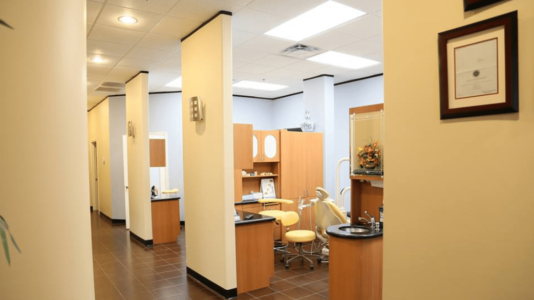
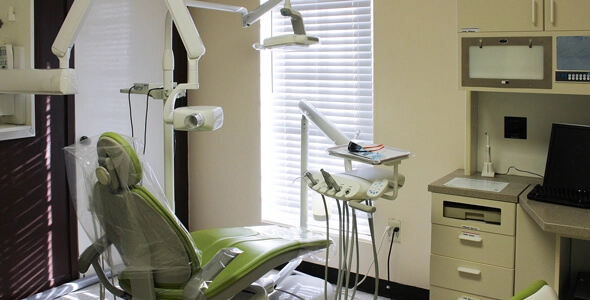
Visit the office or request a virtual tour before committing. Observe cleanliness, modern equipment, and whether staff explain procedures in plain language; these are signs of a practice that prioritizes patient comfort.
Confirm insurance acceptance and financing options up front. Transparent cost estimates and flexible payment plans reduce stress and help patients choose the best crown material without surprising bills.
Ask specific questions during the consultation: Which crown material is recommended and why? What is the expected lifespan and maintenance? How will the dentist manage sensitivity or complications?
Trust emerges from a combination of evidence and empathy. When a dentist answers questions clearly, offers treatment options, and demonstrates gentle care, patients can move forward with confidence about their crown treatment.
Patients are encouraged to schedule a consultation or call with their top choices to assess fit and comfort before deciding.
Taking the Next Step Towards a Healthy Smile
Patients in Houston who consider dental crowns often feel relieved once they understand the process and benefits. The dentist explains how crowns restore function, protect weakened teeth, and improve appearance with natural-looking materials.
They recommend scheduling an exam to evaluate whether a crown is the right option. During the visit, the team reviews medical history, takes X-rays if needed, and discusses material choices like porcelain, zirconia, or gold.
Cost, timeline, and comfort measures matter to most patients. The office provides clear estimates and explains sedation, temporary crowns, and the typical two-visit timeline to set expectations.
Common questions receive simple, direct answers. For example:
- Will it hurt? Local anesthesia usually prevents pain during the procedure.
- How long will it last? With proper care, crowns often last 10–15 years or more.
- What about insurance? The front desk helps verify coverage and payment options.
They encourage patients to bring a list of concerns and any previous dental records to the appointment. Clear communication helps the clinician tailor treatment and ensures the patient feels comfortable throughout.
If someone wants to explore crown options, the practice invites them to call or book online for a consultation. A friendly team member will help schedule a convenient time and explain next steps.
Frequently Asked Questions
This section answers common cost, material, comfort, timing, and financing questions about dental crowns in Houston, TX. It gives clear, practical details patients can use when planning treatment or speaking with their dentist.
How much does a dental crown typically cost, and what factors can raise or lower the price?
A typical crown in Houston ranges from about $800 to $2,000 per tooth, depending on materials and practice location. High-end materials, complex preparatory work, or treatment by a specialist can push costs above that range.
Additional factors that increase price include root canal therapy, extensive tooth build-up, or the need for a post and core. Lower costs occur when using base metal alloys, shared lab discounts, or in dental schools and community clinics.
What are my options if I need a crown but don’t have dental insurance?
Patients can visit dental schools for reduced-rate care performed by supervised students. Community clinics and nonprofit dental programs in Houston also offer sliding-scale fees based on income.
Some dentists provide in-house discounts for uninsured patients or reduced fees when multiple procedures are done together. Getting a detailed treatment plan lets patients compare local options and estimate out-of-pocket costs.
Are there affordable payment plans or financing options for getting a crown?
Many Houston dental offices offer in-house payment plans that split costs over several months with little or no interest. Third-party medical/dental lenders like CareCredit or similar services provide fixed monthly payments, sometimes with promotional 0% APR periods.
Dentists often combine insurance estimates, discounts, and financing to lower immediate out-of-pocket expenses. Patients should request written cost estimates and all financing terms before committing.
What’s the difference between porcelain, zirconia, and metal crowns, and which one looks most natural?
Porcelain-fused-to-metal crowns combine strength with a tooth-colored appearance but can show a dark line at the gum with recession. Zirconia crowns offer very high strength and excellent aesthetics, especially the newer layered or stained versions that mimic natural translucency.
Full porcelain crowns (e.g., lithium disilicate) provide the most natural look for front teeth due to superior translucency. Metal crowns (gold or base metal) are the strongest and most durable but least natural-looking, making them better for molars out of view.
How long does the crown process take, and can it be done in a single visit with modern technology?
Traditional crowns usually require two visits: one for preparation and a temporary crown, and a second for placement after lab fabrication, typically 1–3 weeks later. Same-day crowns using in-office CAD/CAM systems (CEREC or similar) can prepare, mill, and place a crown in one visit, often within 2–4 hours.
Same-day crowns suit many cases but may not be appropriate when complex root canal, extensive buildup, or detailed esthetics are required. The dentist evaluates each situation and recommends the fastest safe option.
Will getting a crown hurt, and what can be done to keep me comfortable during the procedure?
Local anesthesia numbs the tooth and surrounding gum, so most patients feel pressure but little to no pain during preparation. Dentists offer nitrous oxide, oral sedatives, or IV sedation for anxious patients or longer procedures.
Post-procedure sensitivity or mild soreness around the gum is common for a few days and responds well to over-the-counter pain relievers and soft foods. If severe pain or prolonged sensitivity occurs, contacting the dental office promptly allows quick assessment and relief.
If patients want specific price quotes, financing details, or an evaluation for same-day options, the office recommends scheduling a consultation to discuss personalized treatment and comfort preferences.