
Thinking about Invisalign in Houston, TX? You can get a discreet, comfortable path to a straighter smile without long metal braces, and many local practices offer modern scans, clear aligner plans, and flexible financing to fit your schedule and budget.
If you want a near-invisible treatment that fits work, social life, and daily routines, Invisalign in Houston gives predictable results with removable aligners and shorter, more comfortable visits than traditional braces.
They will walk you through how Invisalign works, what an initial consultation looks like, cost options, and how life changes with aligners so you can decide with confidence.
How Invisalign Works
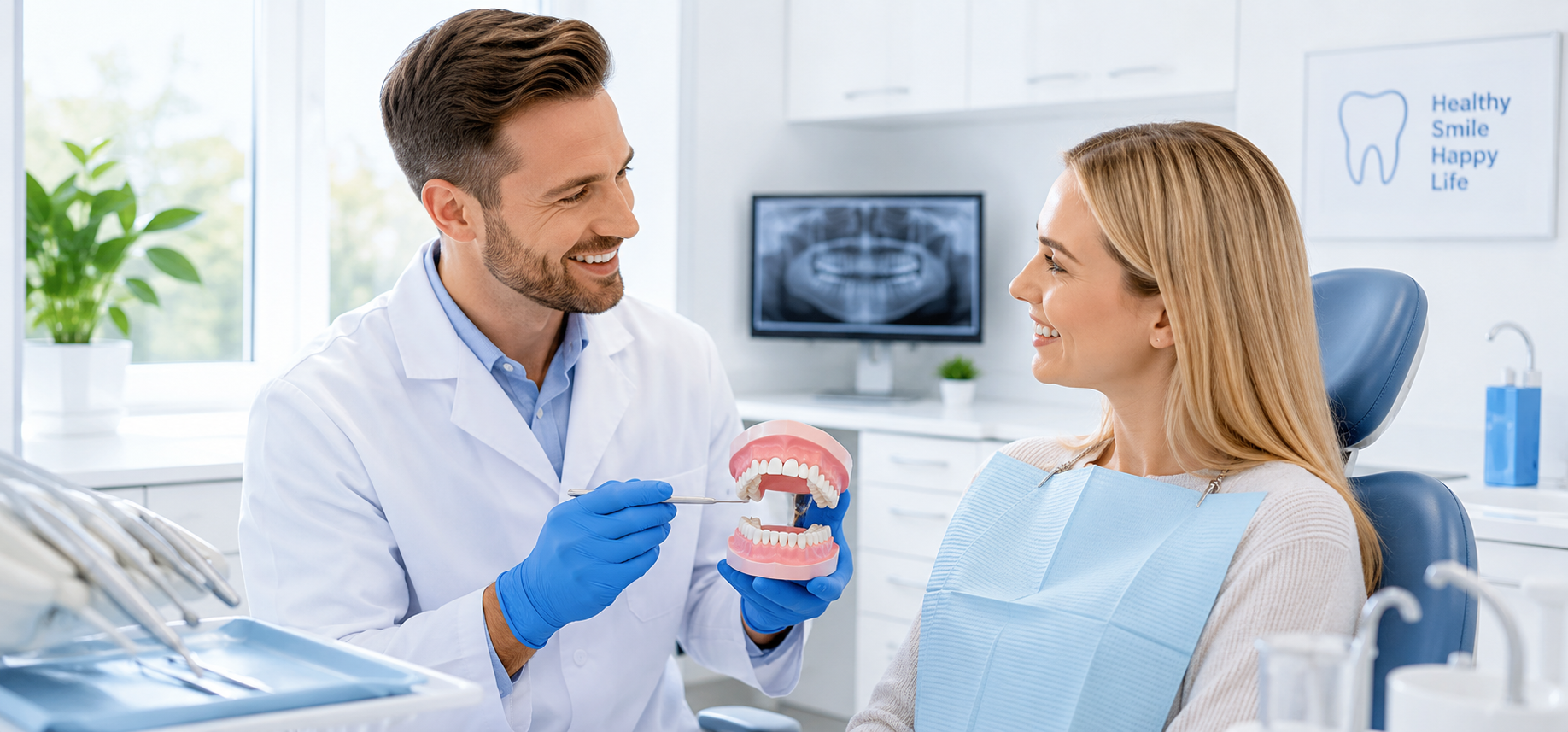
Invisalign uses clear, removable aligners and precise digital planning to move teeth gradually. Treatment combines 3D imaging, customized plastic trays, and regular monitoring to achieve predictable tooth movement with minimal disruption to daily life.
Technology Behind Clear Aligners
Invisalign relies on a digital workflow that starts with a 3D scan of the patient’s teeth. The scan creates a virtual model used to plan each incremental tooth movement, often shown to the patient as a treatment timeline called a ClinCheck or similar.
Aligners are milled from medical‑grade, BPA‑free thermoplastic that’s both flexible and resilient. Each set typically wears for 1–2 weeks before switching to the next, applying light, controlled forces to specific teeth.
Small composite attachments may be bonded to teeth to give the aligner extra grip for rotations or vertical movements. Regular software updates and lab quality checks ensure trays match the digital prescription closely, improving predictability and fit.
Step-by-Step Treatment Process
First, the provider conducts an exam, takes X‑rays if needed, and captures intraoral scans or impressions. They then create a digital treatment plan showing staged movements and estimated duration.
Patients receive a series of personalized aligners and instructions to wear them 20–22 hours daily, removing only for eating and oral hygiene. Typical checkups occur every 6–10 weeks so the clinician can monitor progress and deliver the next sets or make midcourse corrections.
Refinements may be ordered if teeth don’t move as planned; these are additional trays produced from updated scans. At treatment end, a retainer—custom clear or fixed—helps maintain tooth position.
Suitability for Different Ages
Invisalign accommodates many age groups but requires different considerations by stage of dental development. Teen aligners include compliance indicators and often allow space for erupting teeth; providers watch growth and adjust plans as permanent teeth come in.
For adults, Invisalign addresses crowding, spacing, mild-to-moderate bite issues, and relapse after prior orthodontics. Complex skeletal problems sometimes still need braces or surgical intervention, which the dentist will identify during evaluation.
Children with primary dentition are usually not candidates; monitoring until permanent teeth appear yields better timing. A personalized consultation determines candidacy based on X‑rays, bite relationships, and treatment goals.
Benefits of Choosing Invisalign
Invisalign offers a blend of aesthetics, comfort, and scheduling flexibility that fits many patients’ lives. The treatment aligns teeth using clear, removable trays that reduce visibility, irritation, and interruptions to daily routines.
Discreet Appearance
Invisalign aligners are made from nearly invisible, medical-grade thermoplastic, which makes them hard to notice in normal conversation or photos. Patients who work in client-facing roles or attend many social events appreciate that most people won’t realize they are wearing orthodontics.
The aligners sit close to the teeth and don’t require metal brackets or wires, so there’s no obvious hardware to catch attention. For patients worried about workplace impressions or self-consciousness, this discreet profile often increases confidence during treatment.
Color-sensitive adults and teens can keep professional or social images intact while progressing through treatment. Providers in Houston often offer before-and-after visual simulations so patients can see likely results without committing to visible metal braces.
Improved Comfort
Invisalign trays are custom-molded from smooth plastic, which reduces the common soft-tissue irritation associated with metal brackets and wires. Patients typically report less soreness from poking wires or bracket-related cuts, especially during the initial adjustment period.
The trays apply gentle, controlled forces determined by digital planning, which tends to produce milder and more predictable discomfort than some traditional adjustments. If an attachment or rubber is needed, clinicians place them strategically to minimize tongue or cheek irritation.
For those with sensitive mouths or prior orthodontic trauma, the absence of sharp hardware and the use of incremental aligner changes often make daily functioning—talking, smiling, and eating—more comfortable throughout treatment.
Convenience for Busy Lifestyles
Invisalign reduces office time by relying on a series of pre-made aligners; patients typically visit the dentist every 6–10 weeks instead of monthly wire-tightening appointments. That scheduling flexibility suits professionals, parents, and students with packed calendars.
Removability allows normal oral hygiene: patients can brush and floss without working around brackets, lowering the risk of plaque buildup and staining. They also eat without dietary restrictions—simply remove the trays for meals—so there’s no need to avoid hard or sticky foods.
Digital treatment planning and telehealth check-ins are common in modern Houston practices, letting clinicians monitor progress remotely and adjust the plan without frequent in-person visits. This hybrid approach saves time while keeping clinical oversight consistent.
What to Expect During Your Initial Consultation
Patients will receive a focused evaluation of their bite, alignment goals, and oral health. The appointment combines a visual exam, digital records, and a clear, personalized plan with estimated timeline and cost.
Personalized Smile Assessment
The clinician reviews dental history, photos, and current concerns to set treatment goals. They examine tooth positions, gum health, and existing restorations to ensure Invisalign is appropriate and safe.
They check for crowding, spacing, open bites, and crossbites, noting which teeth need movement and which should remain unchanged. Any worn teeth, active decay, or gum disease gets flagged and treated first.
Expect discussion about timing: how long aligners likely take, typical stages of movement, and whether attachments or interproximal reduction (IPR) might be needed. The provider explains risks, success factors, and what patient cooperation involves.
Digital Scans and Impressions
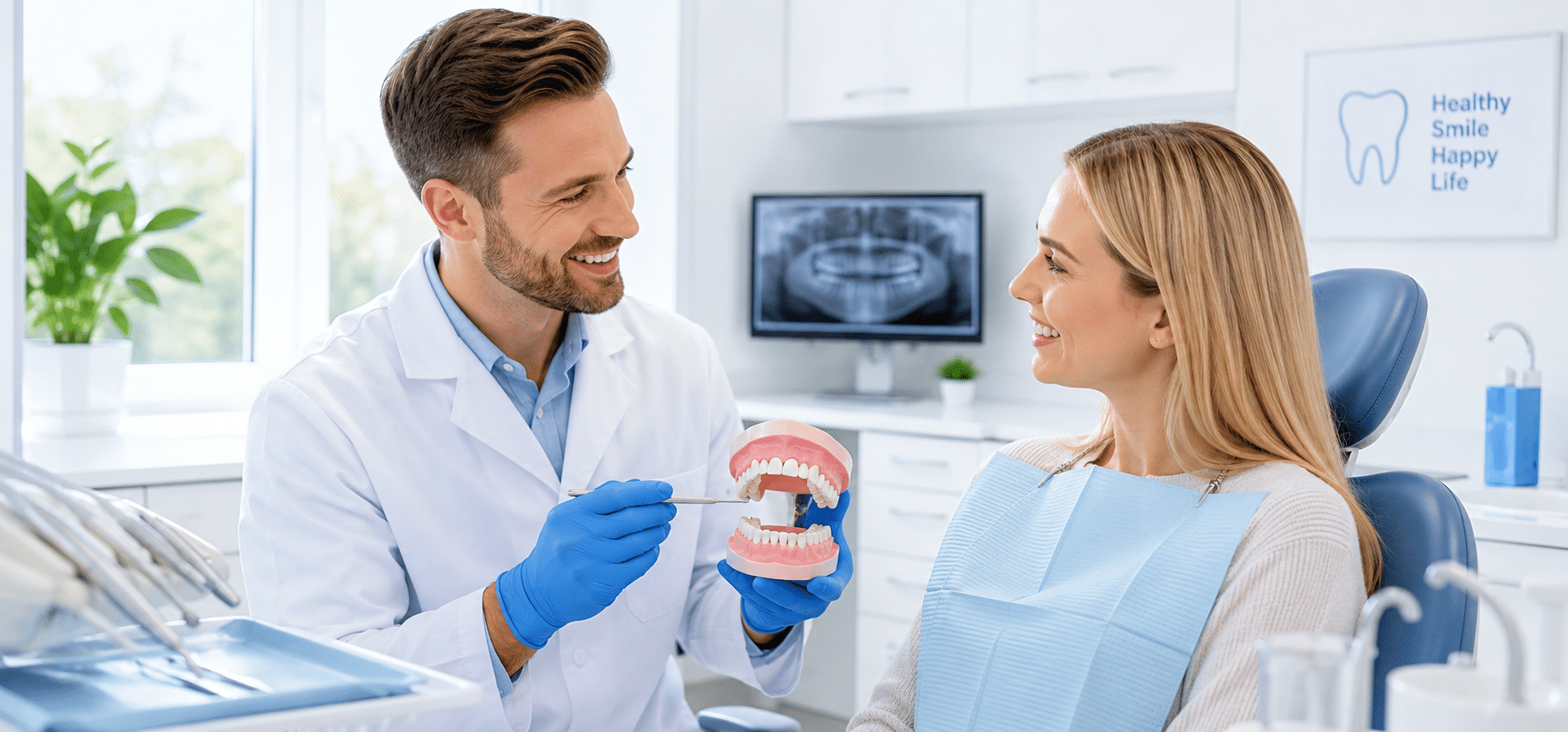
A technician uses an intraoral scanner to capture precise 3D images of teeth and bite. The scan takes a few minutes and avoids messy putty impressions, improving comfort for most patients.
The digital files let the clinician view occlusion from multiple angles and simulate tooth movements. These scans feed into Invisalign’s planning software to predict aligner sequence and estimate treatment duration.
Patients see on-screen visuals of current alignment and potential outcomes. The practice stores scans for progress tracking and communication with the lab if refinements are needed.
Customized Treatment Planning
The dentist collaborates with the Invisalign lab to create a step-by-step movement plan tailored to the patient’s anatomy. They determine number of aligners, staging, and whether auxiliaries (attachments, elastics) are required.
A written plan outlines estimated treatment time, wear schedule (usually 20–22 hours/day), and follow-up visit cadence. Financial options, insurance coverage, and any pre-treatment procedures appear in the plan.
Before starting, the clinician reviews the virtual outcome with the patient, answers questions, and obtains consent. They schedule the first aligner delivery and explain care instructions for comfort and optimal results.
Life With Invisalign Aligners
Patients will learn daily steps for keeping aligners clean, simple rules for eating and drinking, and tips to speed up speech and comfort during the first weeks.
Daily Care and Cleaning Tips
Clean aligners twice daily: remove them and rinse with lukewarm water, then brush gently with a soft-bristled toothbrush and clear, unscented liquid soap. Avoid toothpaste on aligners—its abrasives can scratch plastic and create places for bacteria to hide.
Soak aligners once daily in a recommended cleaner (several brands make effervescent tablets) for 10–15 minutes to remove buildup and odors. Rinse thoroughly after soaking before reinserting.
Store aligners in their case whenever they are out of the mouth to reduce risk of damage or loss. Inspect edges each morning for rough spots; the clinic can smooth any irritation quickly. Replace the case if it cracks or smells.
Eating and Drinking Guidelines
Always remove aligners before eating or drinking anything other than plain water. Eating with aligners increases risk of staining, warping, and food getting trapped between teeth and plastic.
Brush or at least rinse teeth after every snack or beverage before reinserting aligners. Carry a travel toothbrush, toothpaste, and the aligner case to make this practical during work or travel.
Drink only room-temperature water with aligners in. Hot liquids can deform plastic; colored or acidic drinks (coffee, tea, soda, juice) can stain and promote decay under the aligner if teeth aren’t cleaned first.
Managing Speech and Adjustment Period
Most patients notice a slight lisp for the first few days as the tongue adapts to the aligner edges. Practice speaking aloud—reading a paragraph each morning accelerates adaptation and rebuilds confidence for meetings or social events.
Soreness is common for 2–4 days after starting a new tray. Over-the-counter pain relievers like ibuprofen taken as directed reduce discomfort; warm salt rinses or chewing on orthodontic relief wax can ease sharp spots.
Keep appointments and contact the orthodontist for persistent pain, broken trays, or significant speech issues. Returning to normal speech typically takes one to two weeks; most patients report little interference with daily life after that period.
Addressing Common Concerns
Patients often worry about discomfort, damaged trays, and how long they’ll need treatment. Clear explanations about what to expect, what to do if something goes wrong, and realistic timelines help reduce anxiety and keep treatment on track.
Pain and Sensitivity
Mild soreness commonly appears during the first few days after a new aligner goes in. The pressure needed to shift teeth causes tenderness in gums and teeth; it usually eases within 48–72 hours as tissue adapts. Over-the-counter pain relievers like ibuprofen or acetaminophen typically control the discomfort.
If soreness persists beyond a week or sharp pain occurs, an office visit is important. Prolonged pain can signal an ill-fitting tray, an unexpected bite change, or a dental issue such as an untreated cavity.
Patients with sensitive teeth should use a desensitizing toothpaste daily and avoid very cold foods for a few days after switching trays. The dentist may also recommend adding a short acclimation period—wearing the new tray a few extra hours at night the first day—to reduce acute sensitivity.
Lost or Broken Aligners
Losing or breaking an aligner is common and manageable if acted upon quickly. First, contact the treating office the same day and describe which tray number is affected; they will advise whether to move to the next set or temporarily wear the previous one.
If instructed to wear the previous tray, do so continuously until the office provides a replacement. Wearing no aligner increases the risk of teeth shifting back and prolongs treatment. For a broken tray, avoid forcing pieces back into place; fragments can cut gums or alter tooth movement.
Most practices keep spare molds or can order a replacement within a week. For situations with long wait times, the clinician might send a temporary tray or recommend using a small amount of dental wax to cover sharp edges until the replacement arrives.
Expected Results Timeline
Typical Invisalign treatment in Houston ranges from 6 to 18 months depending on complexity. Minor crowding or spacing often finishes closer to six months; moderate bite corrections usually fall in the 12–18 month window. Complex cases involving jaw alignment or tooth rotations may extend beyond 18 months and sometimes require adjunctive treatments.
Patients must wear aligners 20–22 hours daily to meet projected timelines; skipping hours lengthens treatment proportionally. Regular check-ups every 6–10 weeks allow the clinician to monitor progress and make refinements using attachments, elastics, or midcourse scans.
After active treatment, a prescribed retainer—worn nightly or as directed—prevents relapse and preserves results. Following the exact wear schedule and attending follow-up visits gives the best chance of achieving the timeline discussed at the start of treatment.
Cost and Financing Options
Typical Invisalign costs in Houston range from about $3,000 to $7,000 depending on case complexity, provider experience, and additional services like attachments or retainers. Many practices offer transparent estimates and several payment paths to spread or reduce out-of-pocket expense.
Insurance Coverage Insights
Most dental insurance plans that cover orthodontics include partial coverage for Invisalign, but benefits vary widely. Typical plans reimburse a percentage (often 25–50%) of orthodontic fees up to a lifetime maximum (commonly $1,000–$3,000), so a patient should request an estimated benefits statement from the insurer before starting treatment.
Some employer-sponsored dental plans exclude adult orthodontics or require a waiting period. Patients should confirm whether Invisalign is listed as an eligible service and whether pre-authorization is required. If a dependent qualifies under a family plan, coverage rules may differ; verify eligibility by age and dependent status.
Dental flexible spending accounts (FSA) and health savings accounts (HSA) can apply to Invisalign costs when prescribed by a dentist or orthodontist. Patients should keep receipts and a copy of the treatment plan to substantiate claims with plan administrators.
Flexible Payment Plans
Many Houston Invisalign providers offer in-office monthly payment plans with 0% interest for limited terms or low-interest options up to 12–36 months. These plans typically require a down payment (often 10–30% of the total) followed by equal monthly installments billed through the office or a third-party servicer.
Third-party medical financing companies also provide options like fixed-term loans or revolving credit lines. Typical terms range from 6 to 60 months; approved rates depend on credit. Patients should compare the annual percentage rate (APR), total finance charges, and any origination or late fees before choosing a lender.
Providers sometimes discount total fees when combining Invisalign with other treatments or when paying in full upfront. Ask the office for a written estimate that lists all fees: consultation, records, aligners, refinement visits, and retainers.
Long-term Value
Invisalign’s upfront cost should be weighed against expected longevity and maintenance needs. Proper use of aligners and post-treatment retainers minimizes relapse, reducing the need for future corrective work that can be costly.
Improved oral alignment often lowers risk of uneven wear, tooth fracture, and gum issues, which can reduce restorative expenses over time. For patients concerned about aesthetics at work or social settings, the discreet nature of aligners offers intangible value that many find worth the investment.
Patients should request a detailed timeline and projected number of aligners. Knowing the expected treatment length and potential need for refinements helps compare long-term cost against alternative treatments such as traditional braces.
Finding the Right Provider in Houston
Choosing a provider affects treatment speed, comfort, and long-term results. Look for specific credentials, experience with Invisalign cases, and a practice that matches the patient’s lifestyle and schedule.
Qualities of an Experienced Invisalign Doctor
An experienced Invisalign doctor should hold either a DDS or DMD and maintain current Invisalign certification. Many skilled doctors pursue additional training in clear aligner biomechanics and digital orthodontics; ask about completed courses, years treating aligner cases, and average case complexity handled each year.
Clinical experience matters: request before-and-after photos of similar cases, especially for movements the patient needs (crowding, spacing, bite correction). Modern equipment improves outcomes — they should use intraoral scanners, 3D treatment planning software, and offer monitoring tools for progress. Patient comfort and communication count too: the team must explain expected wear time, potential refinements, and costs clearly, and provide protocols for emergencies or discomfort.
Importance of Local Expertise
Local expertise shortens logistics and improves follow-up care. A Houston-based provider understands where patients live and work, allowing convenient appointment times and easier in-person adjustments when refinements are needed. They also have experience managing treatment through Houston’s climate and lifestyle factors, such as recommendations for sports mouthguards or local dietary habits that affect appliance care.
Check patient reviews from nearby neighborhoods and ask about average appointment frequency and clinic hours. Verify insurance and financing familiarity with Texas-specific providers and state dental plans. Local referral networks (periodontists, oral surgeons) reduce delays if multidisciplinary care becomes necessary.
Next Steps and Encouragement
Patients who are considering Invisalign in Houston, TX should schedule a consultation with a local provider to evaluate candidacy. The dentist or orthodontist will review X-rays, take digital scans, and explain a customized treatment plan and timeline.
They will learn what to expect during aligner wear, how often to switch trays, and tips for cleaning and maintenance. Small lifestyle adjustments—like carrying a travel case and removing aligners for meals—make a big difference in comfort and outcomes.
Costs, financing options, and insurance coverage vary, so patients should ask about payment plans and estimated total fees. Many practices offer virtual consults or flexible appointment times to fit busy schedules.
Encourage patients to bring questions about discomfort, expected results, and retention after treatment. Honest discussion about habits—such as nail biting or grinding—helps clinicians recommend adjunctive care like retainers or night guards.
Consider this short checklist before the first visit:
- Have recent dental records or X-rays ready, if available.
- Note any dental concerns or prior orthodontic work.
- Prepare questions about timeline, costs, and follow-up care.
A friendly, experienced provider will tailor the plan to each patient’s needs and comfort level. They should feel empowered to ask questions and start the conversation about achieving a healthier, more confident smile.
Frequently Asked Questions
This section answers common patient concerns about cost, candidacy, treatment length, comfort, and choosing the right provider for clear aligners in Houston. It gives specific ranges, typical timelines, and practical tips to help patients decide and prepare.
How much does clear aligner treatment typically cost here, and what affects the price?
Clear aligner treatment in Houston commonly ranges from $3,000 to $7,500. Complexity of the case, number of aligners needed, and whether attachments or refinements are required drive the price.
Insurance coverage, in-office digital scans or X-rays, and follow-up visits can add to or reduce out-of-pocket costs. Provider expertise and location (downtown vs. suburbs) also influence fees.
Do you offer payment plans or financing options to make treatment more affordable?
Many Houston orthodontic and dental practices offer monthly payment plans starting as low as $99 per month. Third-party medical financing (e.g., CareCredit, LendingClub) typically covers 6–24 month terms with promotional interest rates.
Providers often accept major dental insurance and flexible spending accounts (FSAs) or health savings accounts (HSAs). Patients should request a written fee estimate and comparison of plan terms before starting treatment.
How do I choose the right orthodontist for clear aligners, and what should I look for at a consultation?
Look for providers with specific clear-aligner experience and before-and-after case photos for similar issues. Confirm use of digital impression systems (intraoral scanners) and clear treatment planning software.
Ask about board certification, continuing education in clear aligner techniques, estimated number of aligner sets, frequency of in-person vs. virtual check-ins, and total cost with potential add-ons. Request patient reviews and a clear timeline for expected results.
Am I a good candidate for clear aligners, or would braces work better for my bite and goals?
Clear aligners suit mild to moderate crowding, spacing, and many bite issues like mild overbite or underbite. Severe skeletal discrepancies, large vertical corrections, or complex tooth movements may require braces or combined orthodontic and surgical approaches.
A clinician should evaluate X-rays, bite relationships, and alignment goals to recommend the optimal appliance. Many providers offer a virtual or in-office assessment and a simulation to show likely outcomes.
How long does treatment usually take, and how often will I need check-ins during the process?
Typical treatment lasts 6 to 18 months depending on severity and patient compliance. Many practices schedule check-ins every 6–10 weeks, though some use remote monitoring between visits.
Refinements after the initial aligner series can add a few months. Teeth move only when aligners are worn as prescribed, so full-time wear (20–22 hours daily) shortens total time.
What’s the day-to-day experience like—will the aligners hurt, affect my speech, or change what I can eat?
Patients usually feel mild pressure or soreness for 1–3 days after starting a new aligner, which is manageable with over-the-counter pain relievers. Speech adapts within a few days for most people; only a small portion report a temporary lisp.
Aligners are removable for eating and brushing, so no dietary restrictions beyond avoiding chewing on the aligners. Patients must clean aligners daily and brush teeth before reinserting to prevent staining and decay.
For specific pricing, financing offers, or to schedule a consultation, contact a Houston orthodontic office to review an individualized plan and timeline.